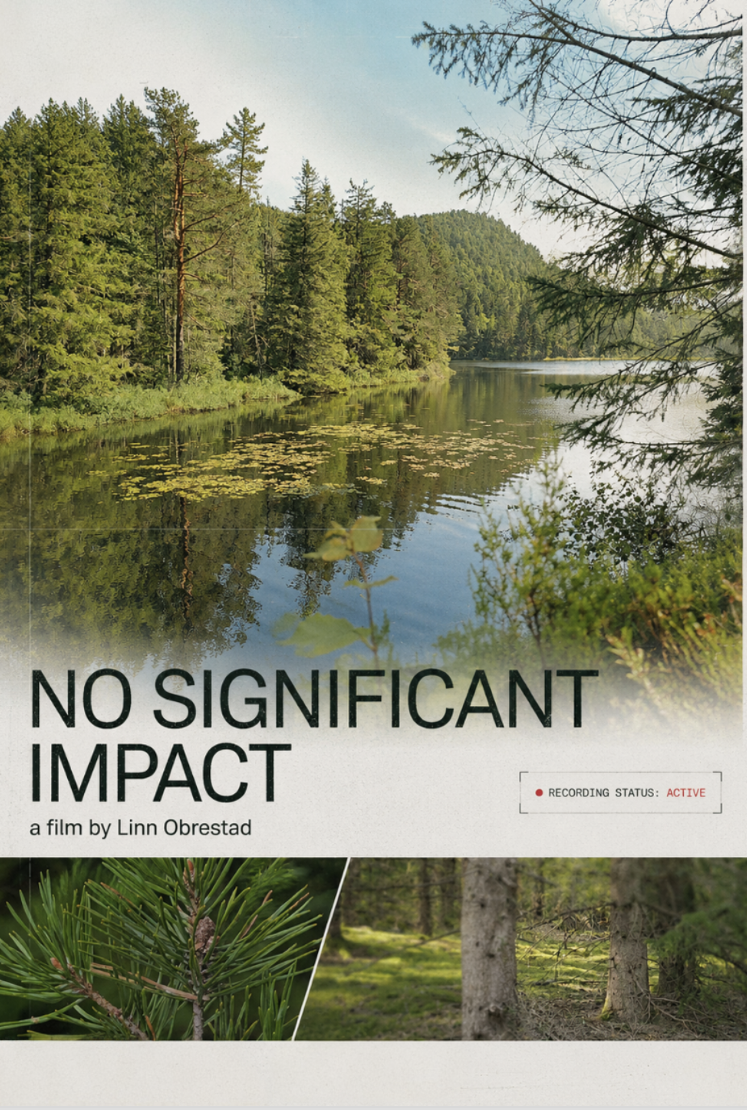
No Significant Impact (2026) · fiction, experimental short · 15 min · English with English/Norwegian subtitles · Norway
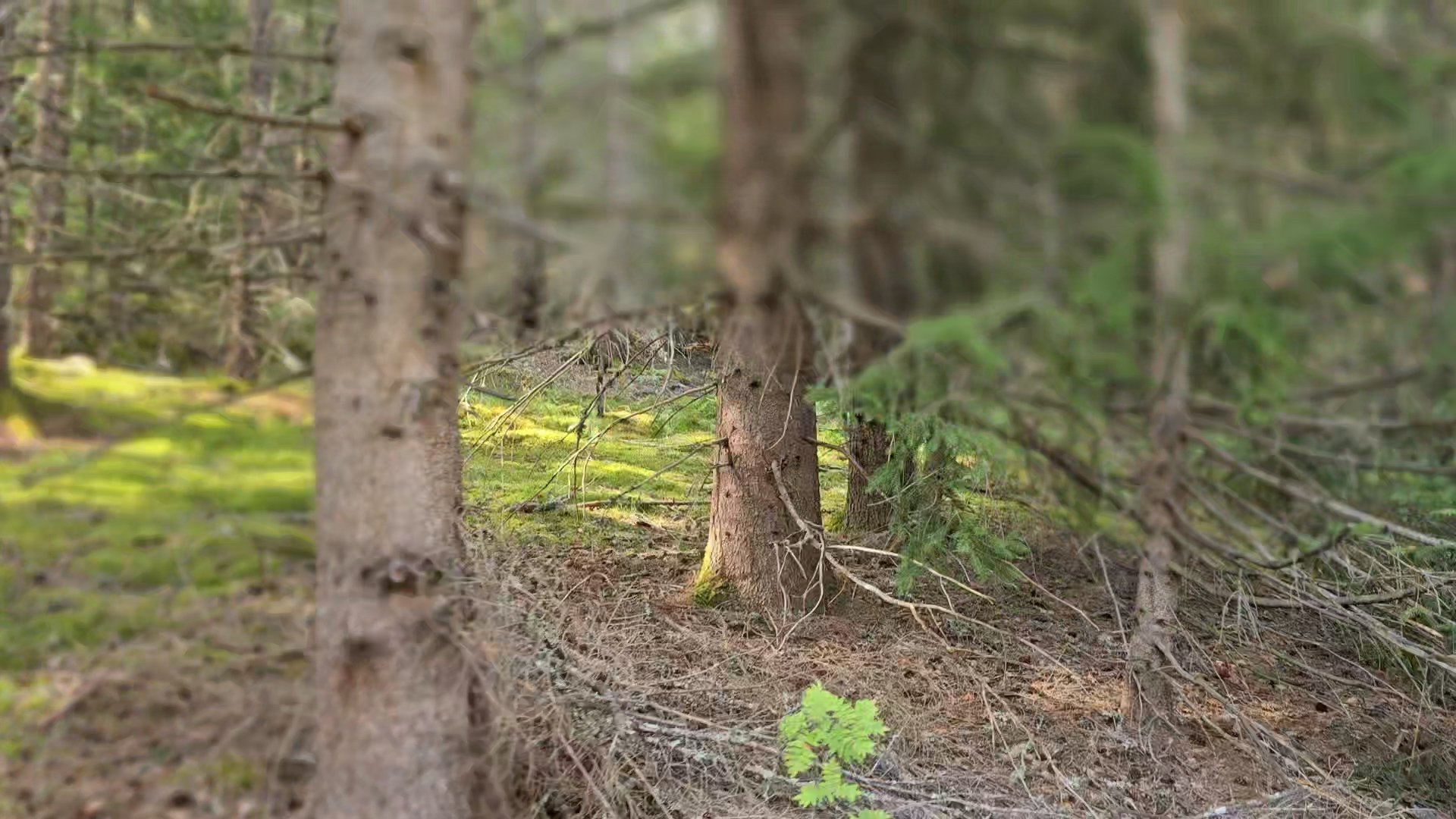
No Significant Impact looks at what happens when a landscape enters a decision-making process but cannot speak in the terms required of it. The film stages a fictional hearing where the landscape is treated as a witness, and its responses appear through sound, weather, vegetation and interruption.
The film is an artistic response to the language and culture of bureaucratic assessment and is part of the ongoing Extractions project.
Selected exhibitions / awards: Telemarksstipend 2026, Stipendutstillingen, Telemark Kunstsenter, Norway · Nominee, Best Experimental, Art Film Spirit Awards (Toronto Film Magazine), 2026 · Selected, Telemarkutstillingen 2026 · Selected, Experiments-issue, Labocine 2026
Director´s Statement
I wanted to explore how public documents, maps and thresholds create a formal space for decision-making, but also how that space has a shape, a shape that excludes a great deal.
A landscape cannot speak in the terms required of it. Landowners and neighbours can try, but there is rarely room for what they actually know. What enters the room is a narrow slice of what is at stake, and decisions are made on that basis, on behalf of everything that could not fit through the door.
I live and work near Fensfeltet in Telemark, Norway, where a proposed rare earth extraction project has drawn the area into such a process. I have sat in public meetings and information evenings, read consultation documents and impact assessments, and talked with neighbours, landowners and others whose knowledge of the place runs generations deep, but rarely fits the designated formats.
The impact assessment for the Bærevann area near Fensfeltet did not conclude "no significant impact." It concluded the opposite and stated significant negative consequences. The impact assessment considered four possible areas near Fensfeltet and of the four areas assessed Bærevann was considered the least suitable. The municipality subsequently chose Bærevann anyway. The film borrows its title from the language of assessment, although the assessment in this case reached the opposite conclusion. What interests me is how significant harm can be formally recognised within a decision making process, yet still become something the process allows.
None of this requires bad faith, it can happen through ordinary procedures, with the documents in order. The film is fiction, but every sentence in it has a relative in a real document.